
Slot Games Guide: How Online Slots Work
The complete guide to slot gaming — how online slots work, RTP, volatility, paylines, bonus features, jackpots, Philippine regulation, and responsible play.
Slot games are the most popular category in online casino gaming. They are simple to play, available in thousands of variations, and offer the chance to win significant payouts from a single spin.
Unlike table games that require learning complex rules, slots are accessible to everyone. You simply choose your bet, spin the reels, and hope for matching symbols to land on active paylines.
But behind that simplicity lies sophisticated technology — random number generators, RTP calculations, volatility models, and bonus features that determine how a slot behaves over time.
For players in the Philippines, understanding how online slots work can help you make better choices about which games to play, how much to bet, and what to expect from a session.
This guide explains slot mechanics, RTP and volatility, paylines and symbols, bonus features, jackpots, Philippine regulation, and responsible play practices.
1. What Are Slot Games?
Slot games are casino games where players spin a set of reels and win based on the symbols that land on active paylines.
Historically, slots were mechanical machines with physical reels. In online casinos, slots are digital games that use a Random Number Generator (RNG) to determine outcomes.
Modern online slots can have five or more reels, hundreds of paylines, and a wide range of bonus features.
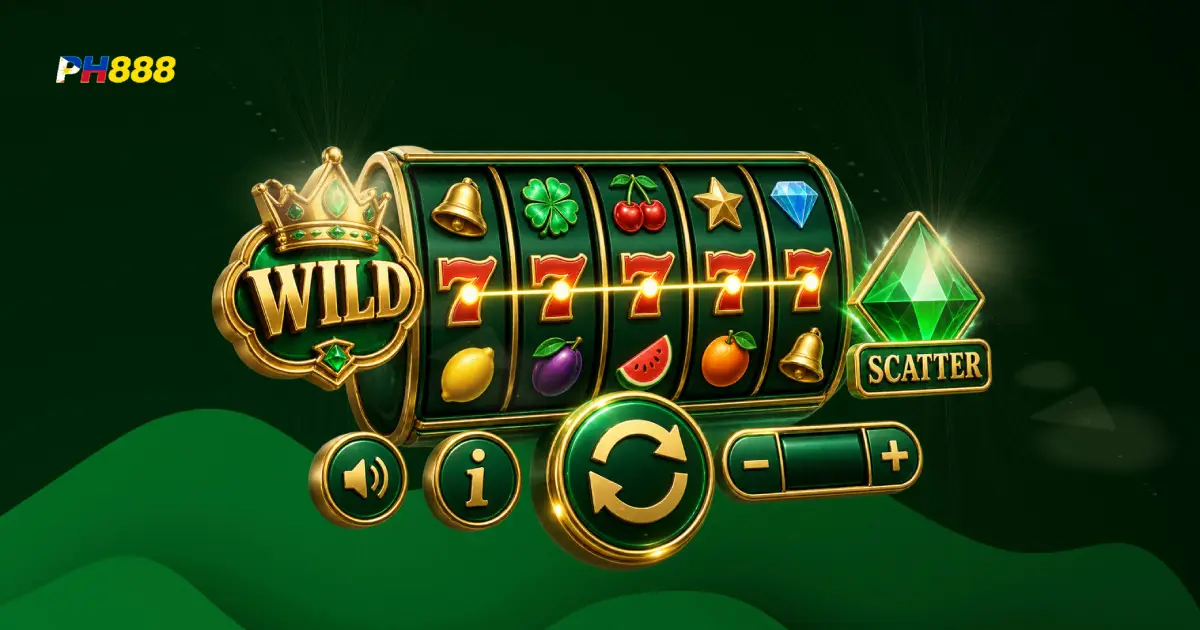
The presentation of slots can vary widely. Some focus on classic fruit symbols and simple gameplay, while others use elaborate themes, animations, and interactive bonus rounds.
The important point is that outcomes are determined by a random number generator — not by patterns, timing, or player skill.
Slots Are Games of Chance
Like all casino games, slots should be viewed as entertainment based on chance.
No betting system, pattern tracking, or button-pressing technique can change the outcome of a spin. The RNG ensures that each spin is independent and random.
Understanding RTP and volatility can help you compare games and set expectations, but it cannot eliminate the house edge or guarantee winning results.
2. How Online Slots Work
Online slots rely on software, random number generation, and payout tables to determine outcomes and returns.
A simplified version of the process looks like this:
The exact technology varies between providers, but the basic concept is consistent.
Step 1: The Random Number Generator (RNG)
The RNG is a software algorithm that continuously generates random numbers. Each number corresponds to a specific outcome on the reels.
When you press spin, the RNG selects the outcome for that spin. The reels then display the symbols associated with that outcome.
The RNG operates independently of previous spins — each spin is random and unrelated to the last.
Step 2: The Reels and Symbols
Online slots use virtual reels rather than physical ones. Each reel contains a set of symbols, and the RNG determines which symbols appear on the paylines.
The number of reels and the number of visible symbols per reel affect the total number of possible combinations.
Step 3: The Paylines
Paylines are the lines on which matching symbols must land to create a winning combination.
Traditional slots have a single payline, while modern slots can have hundreds of paylines in various patterns.
Some slots use "ways to win" instead of fixed paylines, where matching symbols in adjacent reels create wins.
Step 4: The Payout Table
The payout table shows how much each symbol combination pays.
Higher-value symbols pay more, while lower-value symbols pay less. Special symbols like wilds and scatters have their own rules and payouts.
Step 5: The Outcome and Payout
After the reels stop, the game evaluates the paylines. If matching symbols appear on an active payline, the corresponding payout is credited to your balance.
Wins are calculated automatically based on your bet size and the payout table.
3. RTP and Volatility Explained
Two of the most important concepts for understanding slots are Return to Player (RTP) and volatility.
These terms describe how a slot behaves over time and can help you choose games that match your preferences.
What Is RTP?
RTP stands for Return to Player. It is expressed as a percentage and represents the theoretical amount of all wagered money that a slot will pay back to players over time.
For example, a slot with a 96% RTP will, on average, return 96 pesos for every 100 pesos wagered over millions of spins.
The remaining 4% is the house edge — the casino's theoretical profit.
RTP is calculated over a very large number of spins. It does not predict what will happen in a single session or even a hundred sessions.
What Is Volatility?
Volatility (also called variance) describes how a slot pays out.
Low-volatility slots pay smaller amounts more frequently. High-volatility slots pay larger amounts less often.
Volatility affects the playing experience:
- Low volatility — more frequent, smaller wins; gentler swings; suitable for longer sessions with smaller budgets.
- Medium volatility — a balance between frequency and size of wins.
- High volatility — less frequent wins, but larger potential payouts; bigger swings; requires a larger budget to sustain.
| Feature | Low Volatility | Medium Volatility | High Volatility |
|---|---|---|---|
| Win frequency | High | Moderate | Low |
| Win size | Small | Moderate | Large |
| Risk level | Lower | Medium | Higher |
| Budget needed | Smaller | Moderate | Larger |
| Typical experience | Steady, frequent small wins | Balanced | Long dry spells, occasional big wins |
RTP and volatility are independent. A slot can have high RTP and high volatility, or low RTP and low volatility.
Both values are important when evaluating a slot, but neither guarantees a specific outcome in a given session.
4. Paylines and Symbols
Paylines and symbols are the core components of slot gameplay.
Paylines
Paylines determine where matching symbols must land to create a win.
Traditional slots have a single horizontal payline. Modern video slots can have 20, 50, 100, or even hundreds of paylines.
Some slots use "ways to win" instead of fixed paylines. In these games, matching symbols in adjacent reels create wins regardless of their position on the reel.
Paylines can be straight, diagonal, zigzag, or follow other patterns. The game's rules explain which paylines are active.
Symbols
Symbols are the images on the reels. They determine the payouts and trigger special features.
Common symbol types include:
- Low-value symbols — typically card ranks (10, J, Q, K, A) or simple shapes. They pay smaller amounts.
- High-value symbols — themed images that pay more for matching combinations.
- Wild symbols — substitute for other symbols to help complete winning combinations.
- Scatter symbols — pay regardless of payline position and often trigger free spins or bonus features.
- Bonus symbols — trigger specific bonus games or features.
Wild Symbols
Wilds are versatile symbols that can substitute for most other symbols to create winning combinations.
Some wilds expand to cover entire reels. Others multiply wins when they form part of a winning combination.
Scatter Symbols
Scatters are special symbols that pay anywhere on the reels, regardless of paylines.
They often trigger free spins, bonus rounds, or other features when a certain number appear.
5. Common Slot Bonus Features
Modern online slots include a wide range of bonus features designed to add variety and increase win potential.
Free Spins
Free spins are the most common slot bonus. They are triggered by landing a certain number of scatter symbols.
During free spins, you play a set number of spins without using your own money. Wins during free spins are usually paid at the same bet level as the triggering spin.
Many slots include additional features during free spins, such as multipliers, expanding wilds, or retriggers.
Multipliers
Multipliers increase the value of a win by a certain factor.
For example, a 2x multiplier doubles the payout, while a 10x multiplier multiplies it by ten.
Multipliers can apply to specific wins, all wins during a feature, or accumulate during a bonus round.

Expanding Wilds
Expanding wilds are wild symbols that expand to cover an entire reel when they land.
This increases the chance of completing winning combinations and can lead to larger payouts.
Some slots have sticky expanding wilds that remain in place for multiple spins.

Bonus Games
Bonus games are interactive features that are separate from the main reels.
They can involve picking objects, spinning a wheel, or playing a mini-game to win prizes.
Bonus games often offer the chance for large payouts and add variety to the gameplay.
Cascading Reels
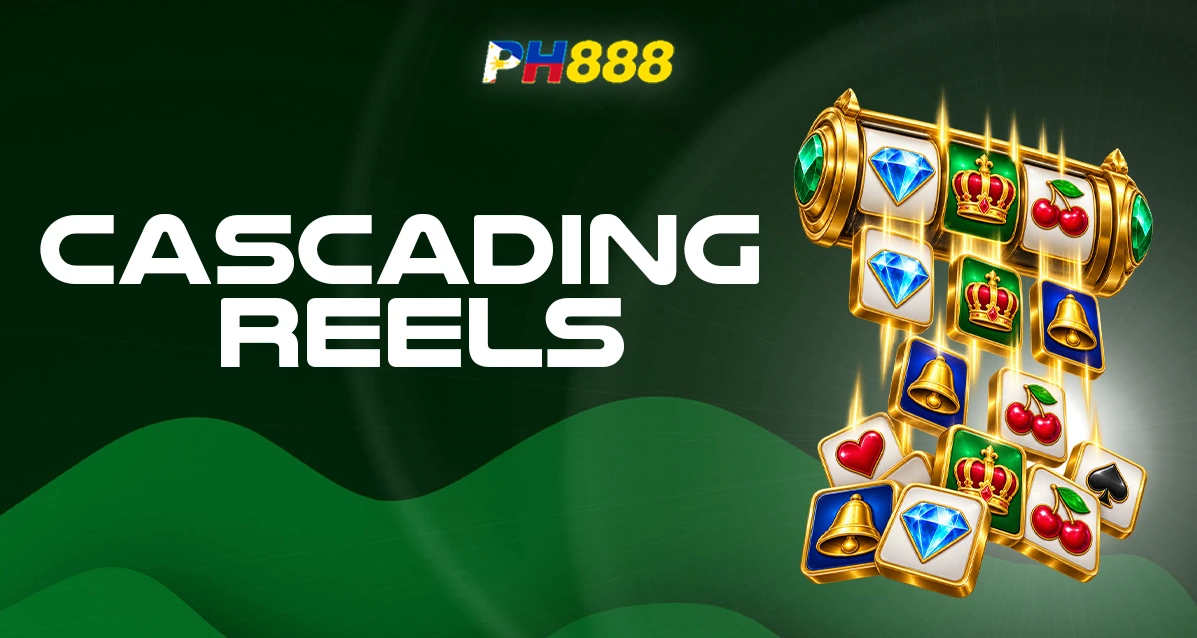
Cascading reels (also called tumbling reels) remove winning symbols from the reels and replace them with new symbols.
This can create consecutive wins from a single spin.
Cascading reels are often combined with multipliers that increase with each consecutive win.
Megaways
Megaways is a slot mechanic that varies the number of symbols on each reel with every spin.
This creates thousands of possible ways to win, often up to 117,649 or more.
Megaways slots typically include cascading reels and increasing multipliers.
6. Popular Slot Providers
Slot games are developed by specialized software companies known as providers.
Examples commonly encountered across international online gaming platforms include:
- Pragmatic Play
- PG Soft
- NetEnt
- Microgaming
- Play'n GO
- JILI
- Habanero
- Spadegaming
Each provider has its own style, strengths, and game libraries.
Pragmatic Play
Pragmatic Play is one of the largest slot providers globally, known for popular titles like Gates of Olympus, Sweet Bonanza, and The Dog House.
Its slots often feature high volatility and engaging bonus features.
PG Soft
PG Soft (Pocket Games Soft) is known for visually rich slots with innovative mechanics.
Popular titles include Fortune Tiger, Mahjong Ways, and Wild Bandito.
NetEnt
NetEnt is a veteran provider known for high-quality graphics and innovative features.
Popular slots include Starburst, Gonzo's Quest, and Dead or Alive.
Microgaming
Microgaming is one of the oldest online slot providers, with a massive library of games.
It is known for progressive jackpot slots like Mega Moolah.
Play'n GO
Play'n GO produces a wide range of slots with diverse themes and mechanics.
Popular titles include Book of Dead, Reactoonz, and Rise of Olympus.
JILI
JILI is a provider with a strong presence in Asian markets.
Its slots are known for simple mechanics and frequent bonus features.
Habanero
Habanero produces slots with a focus on visual quality and engaging gameplay.
Its games are available across multiple regulated markets.
Spadegaming
Spadegaming is a provider focused on Asian-themed slots and arcade-style games.
Its portfolio includes a range of slots with local appeal.
Important Note About Game Availability
A provider's name alone does not establish that every game from that provider is available or authorized on every platform.
Game availability depends on the operator, jurisdiction, regulatory approval, commercial agreements, and the specific gaming system being used.
Players should evaluate the operator and the game individually, rather than assuming that a familiar provider automatically means a website is legitimate.
7. How Slot Regulation Works in the Philippines
The Philippine gaming environment is regulated by the Philippine Amusement and Gaming Corporation (PAGCOR).
PAGCOR states that it licenses and regulates gaming operations in the Philippines. Its Electronic Gaming Licensing Department regulates local electronic gaming operations, including electronic casino games, electronic bingo, sports betting, and other gaming categories.
Why Regulation Matters for Slots
Online slots involve random number generators, payout tables, and real-money wagering. Regulation is important because it addresses:
- Gaming system approval
- RNG testing and certification
- Game integrity
- Payout percentage verification
- Technical standards
- Reporting
- Responsible gaming
- Operator and service-provider requirements
PAGCOR's electronic gaming regulations state that gaming systems and games must be credible and reliable, capable of being audited, and operated correctly. They also provide for approval of the electronic gaming system and game contents before deployment.
Check the Operator, Not Just the Logo
A PAGCOR logo displayed on a website should not by itself be treated as proof that the website is authorized.
Players should verify the operator and domain through official regulatory information where possible.
This is especially important because PAGCOR has publicly warned consumers about unauthorized online gaming websites and has emphasized the need to patronize legitimate and authorized platforms.
PAGCOR has also continued introducing stricter safeguards for the electronic gaming sector, including measures intended to improve player protection and strengthen controls around online gaming transactions.
Regulation Can Change
Gaming regulations are not static.
Rules, approved operators, domains, payment controls, technical requirements, and player-protection measures can change over time.
For that reason, current information should always be checked against official PAGCOR announcements and regulatory resources rather than relying on an old article, social media post, or screenshot.
8. How to Evaluate a Slot Game
Choosing a slot game should involve more than selecting the most attractive theme.
A few basic pieces of information can help you understand the game before committing money.
Check the RTP
RTP is usually listed in the game's information screen. Higher RTP generally means a lower house edge over time.
Common RTP ranges are 94% to 97%, though some slots fall outside this range.
Check the Volatility
Volatility determines how the slot pays. Low volatility pays smaller amounts more frequently. High volatility pays larger amounts less often.
Choose a volatility level that matches your budget and playing style.
Check the Bet Limits
Slots have minimum and maximum bet limits.
Make sure you understand the limits before playing. Some slots allow very small bets, while others have higher minimums.
Check the Bonus Features
Different slots have different bonus features. Some focus on free spins, others on multipliers, cascading reels, or bonus games.
Understanding the features can help you decide whether the game suits your preferences.
Evaluate the Operator
The game itself is only one part of the equation.
Before depositing, consider whether the platform is legitimately authorized for the market in which you are playing and whether it provides clear information about its terms, account procedures, and responsible-gaming policies.
9. Responsible Play
Slot games should be treated as entertainment rather than as a reliable way to make money.
Because outcomes are based on chance, players should never depend on gambling to pay bills, cover essential expenses, or solve financial problems.
PAGCOR's responsible-gaming guidance recommends treating gambling as entertainment, setting time and money limits, expecting losses, avoiding borrowed money, and avoiding attempts to chase losses.
Set a Budget Before Playing
Decide how much money you can comfortably afford to lose before starting.
Once that amount is reached, stop.
Do not increase the budget simply because the session has not gone as expected.
Set a Time Limit
Long sessions can make it easier to lose track of spending.
A predetermined time limit creates a clear stopping point.
Do Not Chase Losses
One of the most dangerous habits is trying to recover a previous loss by increasing bets.
A losing session does not create an obligation for the next spin to produce a win.
Never Borrow to Gamble
Money needed for:
- Food
- Rent
- Utilities
- Education
- Debt payments
- Family expenses
should not be used for gambling.
Watch for Warning Signs
PAGCOR identifies signs of problematic gambling that include spending more than intended, gambling longer than planned, repeatedly attempting to recover losses, developing financial problems, and thinking about gambling excessively.
If gambling begins affecting work, relationships, finances, or everyday responsibilities, taking a break and seeking help is more important than trying to recover losses.
Self-Exclusion
PAGCOR provides self-exclusion and banning programs for people who believe they are developing a gambling problem. Its current information describes exclusion periods of six months, one year, and five years, subject to the applicable process and conditions.
Responsible gambling is not about finding a betting system that guarantees winning. It is about maintaining control over how much time and money you spend.
10. Frequently Asked Questions
Are online slots fair?
What is RTP in slots?
What is slot volatility?
Can I play slots on mobile?
What is a wild symbol?
What is a scatter symbol?
What are free spins?
What is Megaways?
Can I use a strategy to win at slots?
How can I check whether a slot platform is legitimate?
11. Final Takeaway
Online slots offer a wide variety of themes, features, and betting options. They are simple to play but sophisticated in how they work.
The important concepts are straightforward:
- Online slots use Random Number Generators to determine outcomes.
- RTP describes the theoretical return over time.
- Volatility describes how a slot pays — frequently small wins or rarely large wins.
- Paylines and symbols determine how wins are formed.
- Bonus features like free spins, multipliers, and cascading reels add variety and win potential.
- Regulation provides an important layer of oversight for authorized gaming operations, systems, and player-protection measures.
- Responsible play keeps gambling within an entertainment budget rather than treating it as a source of guaranteed income.
For players in the Philippines, checking the current regulatory status of a gaming platform is particularly important because online gaming rules and safeguards can change. PAGCOR continues to update its regulatory framework and responsible-gaming measures as the electronic gaming sector develops.
Ultimately, there is no secret system that can turn a slot game into a predictable source of profit. The more practical approach is to understand the game's RTP and volatility, verify the platform you use, set limits before playing, and recognize that every spin carries the possibility of losing money.
Play only for entertainment, use money you can afford to lose, and stop when your predetermined limit is reached.
Ready to Play Online Slots at PH888?
Spin the reels on thousands of slots from top providers. Play responsibly and enjoy the experience.
21+ only · Play responsibly · Terms apply